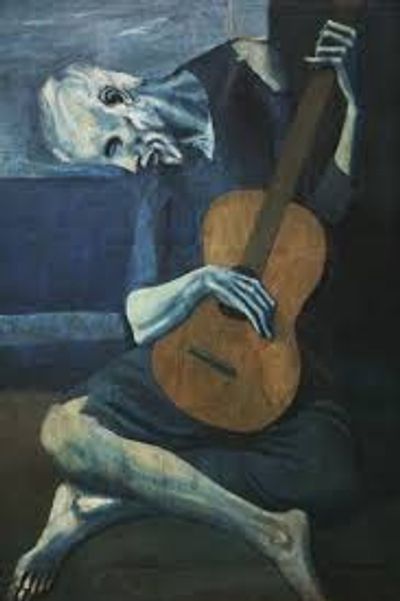
Curiosity and Humility when Being A Body-Paradox
We explore what it is like for patients to both be their particular bodies and to also have them, in that dualistic paradox, experiencing the being of the body while being can only be understood in conceptual worlds, seemingly outside of the body; indeed, "Dasein" means being in the world and we can not separate our being from our environment or bodies (Heidegger cited in Clocan, 2015).
Dualistic tensions with their accompanying pleasures and agonies pervade human experience, with either mind or body generally being privileged (Bartole, 2012), even if the mind and brain really are one. Understanding that as a subject one is divided and indeed empty in essence--just as in Buddhist thought, emptiness emerges at the core of the mind--unable to directly access the unconscious that does have agency, that there is no unitary self, especially given anyone's disparate self-states, even when they do not have a dissociative disorder (Bromberg, 2002, Fink, 2006), allows for greater humility and curiosity, both great factors of health. Catharsis and sublimation can engender a bright, constructive use of pain. There is also triage and coping that help along the way.